
Leading Products For Efficient Exit Sign Installations
Browse a selection of reliable, easy-to-install products that ensure clear visibility and compliance in any building.
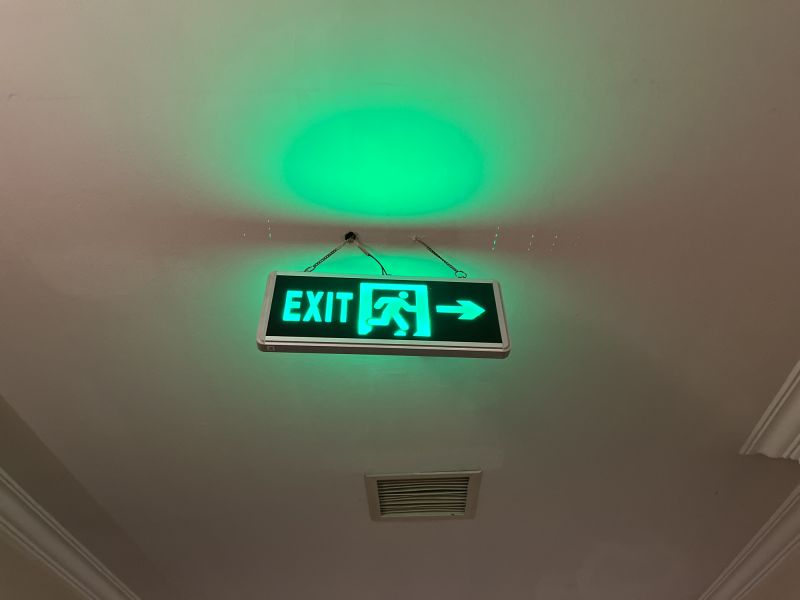 Exit sign installation products are essential components for ensuring safety and compliance in commercial, industrial, and public spaces. These products are designed to clearly mark exits and pathways, providing guidance during both regular operations and emergency situations. Proper selection and installation of exit sign products can enhance visibility, durability, and ease of maintenance. Whether installing new signage or upgrading existing systems, understanding the variety of available products helps in choosing solutions that meet specific building requirements.
Top Overall Option
LED Exit Sign with Battery Backup
This versatile LED exit sign offers bright, energy-efficient illumination with integrated battery backup to maintain visibility during power outages. Its durable construction and easy installation make it suitable for a variety of building types, ensuring compliance and safety. The sign's clear lettering and universal mounting options provide flexibility for different spaces.
Types of Products For Exit Sign Installations
LED Exit Signs
Energy-efficient signs with bright illumination, often featuring battery backup and self-test functions.
Photoluminescent Exit Signs
Signs that glow in darkness without electrical power, suitable for low-energy applications.
Electromechanical Exit Signs
Traditional signs with mechanical or incandescent lighting elements, often with backup options.
Recessed Exit Signs
Signs designed to be installed within walls for a sleek, unobtrusive appearance.
Surface-Mounted Exit Signs
Signs mounted on surfaces such as walls or ceilings, offering easy installation and visibility.
Combination Exit and Emergency Lights
Units that combine exit signage with emergency lighting for comprehensive safety coverage.
Remote Signage Systems
Signage connected to central control systems for coordinated emergency guidance.
Self-Testing Exit Signs
Signs equipped with automatic testing features to ensure ongoing compliance and functionality.
Battery-Operated Exit Signs
Signs powered solely by internal batteries, useful in areas with unreliable electrical supply.
Low-Profile Exit Signs
Slim, minimalistic signs designed for spaces with limited ceiling or wall clearance.
Wireless Exit Sign Systems
Signage with wireless connectivity for easy updates and system integration.
Customizable Exit Signs
Signs that can be tailored with specific text, symbols, or lighting effects to meet unique needs.
Popular Choices
Widely used for their energy efficiency and reliability, these signs are common in many facilities.
Popular in low-traffic areas or where electrical wiring is limited, providing visibility without power.
Chosen for their sleek appearance and space-saving design, suitable for modern interiors.
Increasingly favored for their maintenance convenience and compliance assurance.
Common in commercial buildings due to ease of installation and high visibility.
Popular for comprehensive safety solutions in public and commercial spaces.
Valued for flexibility and ease of updates, especially in large or complex layouts.
Chosen for their ability to meet specific branding or regulatory requirements.
Preferred in spaces with aesthetic considerations or limited ceiling height.
Still used in some older buildings or specific applications due to their simplicity.
Exit sign products come in a wide range of styles, including traditional illuminated signs, LED-based options, and photoluminescent signs that glow in darkness without power. The choice of product often depends on factors such as the environment, local building codes, and aesthetic preferences. For example, illuminated signs with battery backup are popular in areas where consistent visibility is critical, while non-electrical signs may be suitable for low-traffic or cost-sensitive applications.
Installation methods vary from surface mounting to recessed or wall-mounted configurations, each offering different benefits in terms of space utilization and visibility. Many modern exit sign products incorporate energy-efficient lighting technology to reduce power consumption and extend lifespan. Additionally, some signs feature self-testing capabilities, ensuring ongoing compliance and reducing maintenance efforts. When selecting products, consider the compatibility with existing electrical systems and the ease of installation to ensure a smooth upgrade process.
Key Buying Considerations
- Compliance with local building and safety codes to ensure legal installation.
- Type of lighting technology, such as LED, incandescent, or photoluminescent, based on energy use and visibility needs.
- Power source options, including battery backup, wired electrical, or standalone operation.
- Installation method—surface mount, recessed, or wall-mounted—to suit space and aesthetic preferences.
- Brightness levels and visibility distance to ensure signs are easily seen in different lighting conditions.
- Durability and weather resistance if installed in outdoor or hazardous environments.
- Maintenance requirements, including self-test features or ease of replacing components.
- Size and dimensions appropriate for the space without obstructing pathways or views.
- Design and customization options to match interior decor or branding standards.
- Energy efficiency to reduce operational costs over time.
- Compatibility with existing electrical systems and control setups.
- Availability of backup power during outages for safety assurance.
- Ease of installation and any additional hardware or tools needed.
- Warranty and support from the manufacturer or supplier.
- Cost considerations balancing initial investment with long-term reliability.